I've been high and low. Large brands and tiny organisations, globally. LEGO, Stokke, and years of consulting across industries most people keep separate.
I build things. I'm useful at the beginning and when something needs to change, when no one quite knows if it will work.
What I've built
I built the first LEGO Star Wars X-wing
My first real job was as a designer at LEGO. I was OK at it, but even better at coordinating and managing. The hunger to do better, more, faster took over. My first role became coordinating creative development between Lucasfilm in San Francisco and LEGO in Billund.
What's not to like.
01
Bionicle
LEGO's first wholly original franchise. As Design Manager, I led the franchise approach, pulling it together across product, story, media, licensing and fan community into something that behaved like a living universe. The essence was integration: product development, marketing and sales working as one. One of the first franchises to experiment seriously with digital marketing and content.
Launch year 2001: 70 million units. $160 million revenue. 85% over budget. 14:1 sales-to-marketing ratio by 2002. In 2003, the year LEGO flirted with bankruptcy, Bionicle accounted for 25% of the company's total revenue and 100% of its profits. 190 million toys sold by end of initial run. LEGO runs on the franchise model we created.
"Bionicle is the toy that saved LEGO." Jørgen Vig Knudstorp, CEO, the LEGO Group
02
Going wide
After Bionicle I was made Creative Director. But we had just spent three years building something from nothing and watching it exceed every expectation. That kind of experience is hard to follow. The corporate life waiting on the other side, the politics, the managing of what existed, held no appeal. I had peaked, and I knew it. So I left.
What followed was a deliberate attempt to understand the world beyond toys. Headhunting at Mercuri Urval, where as a newcomer expected to build slowly, I landed two CEO-level mandates. Agency life. Corporate marketing at Schneider Electric across EMEA. Independent consulting. I moved between roles and sectors with more curiosity than plan. Some of it worked well.
All of it made me sharper.
03
PARK
Six years consulting globally through PARK. The two clients that defined it couldn't have been more different: Permasteelisa, one of the world's largest architectural façade contractors, and House of Yarn, a Stavanger-based yarn business. Between them, they show what the work actually was: not sector expertise, but the capacity to help organisations build something new.
Adria Mobil, LEGO, Cisco, HP, Reckitt Benckiser alongside. The work moved globally across all levels: from short workshops and training programmes to long change management engagements with specialists, managers and executive teams. Different organisations, different entry points, same underlying question: how do you build the conditions for something that hasn't existed before?
Innovation is easy. The hard part is meaning it.
04
China
In 2011 I went back to LEGO, not to reprise what I had built before, but to answer a different question: how do you reach China's emerging middle class? Not from a desk. I spent months in Tier 2 and Tier 3 cities, visiting people's homes and shops, watching how families with new money thought about play, quality and aspiration. We developed test products. We got things wrong and adjusted. This was explorative work, not market research in the traditional sense.
At the end of it I presented the findings directly to Jørgen Vig Knudstorp, then CEO of LEGO, on a three-day trip through China with Susan from my local team. Three people, three days, three cities.
I learned what China is.
05
Stokke
Stokke had a problem most companies don't survive: it had never created a second big hit after the Tripp Trapp chair from 1972. It had cycled through management teams without fixing the underlying issue. I was brought in to revitalise the innovation engine.
As SVP and Chief Innovation Officer, I had reporting responsibility across design, project management, product management, quality and compliance across Norway, Germany and China. The mandate was clear: cut what wasn't working, build what could, and create the conditions for sustainable product innovation.
We closed the Shanghai office. Made significant cuts across HQ. Built a new satellite team in Germany. Most of it executed over video during COVID lockdowns.
The strategy was sound and we did what you do in those situations: trim to the core, build new extensions and complement with M&A to fast bring in innovation. The internal resistance was significant. When the pressure peaked, the organisation chose politics over progress. I was let go before the work could perform.
The work was sound.
06
Naia
Everything I've learned about product development, sales, people and business applied to one platform. Naia is an AI workspace for product and business development. It helps teams generate, evolve and pressure-test product and portfolio scenarios before committing resources, time and money to the wrong things.
As co-founder and CGO, the commercial side is mine: positioning, go-to-market, the customer relationships that tell you whether what you're building actually solves the problem. After years on the product side, it's the right role at the right moment.
Starting a company is humbling in ways that running one is not. The daily reality of building from scratch, with no organisation behind you, no established brand, no safety net, teaches you things that no executive role ever could.
Naia is live. We are engaging with real teams on real problems, building step by step, iterating fast. The goal is scalable product-market fit and every week we learn something that changes how we think about it.
Exactly where I want to be.
I'm not done
The drive to build something that didn't exist before hasn't left me. What's changed is what I bring to it. Thirty years of pattern recognition. The battle-tested instinct to know which problems are worth the fight and which rooms are worth being in. That's what goes into Naia now.
Story
I started at LEGO at twenty-one. No degree, no plan.
What came out of that period, LEGO Star Wars and Bionicle, helped pull the company out of a financial crisis it might not have survived. I know that now. At the time it just felt like work. A lot of people have claimed their share of that success since. That's fine. It was a long time ago. I was there.
What I couldn't do afterwards was stay. I had peaked, and I knew it. That became a pattern. Not a comfortable one, but an honest one. I go where something needs building. I build it. When the organisation is ready to manage rather than create, I'm already restless.
In between: years working across Europe, the US and China. Different industries, same problem: how do you build something that actually works?
Then Stokke. Then Naia. I'm not done
Thinking
These might hold up at The Economist. They might not. They're thoughts from the frontline. Sometimes banal, sometimes thought-provoking, occasionally something more. Written because some things need to get out of your head and onto paper.
Take what's useful.
Product
What great products do
The cold lighting and bad acoustics don't happen by accident. They happen when no one decided.
Spain will break your heart and restore it the same afternoon. I've sat in restaurants with food that made me close my eyes, served under lighting so cold and acoustics so brutal that the meal felt like an interrogation. I've found the opposite too: a tortilla at La Marucca so precisely right it needed nothing else, or a mezcalita and taco at Solito where you sense immediately that someone has thought about every detail, including which customers they're not trying to impress.
The Fundación March in Madrid is one of the most quietly extraordinary cultural spaces I've been in. The originality, the standards, the sense that whoever built it was completely indifferent to compromise. Then you walk five minutes and find a flagship brand store that ticks every box and does absolutely nothing to you.
A winery in Bierzo. Mom in the kitchen. An unlabelled bottle of wine, a table in the shade, no agenda. That's it. That's the whole experience. And it's perfect. Then Marbella, scorched concrete, expats performing wealth where everything costs more and feels like less. San Lúcar de Barrameda on an autumn afternoon, a manzanilla and a plate of salmonetes on the beach, the Atlantic light doing things light shouldn't be able to do. Constantly back and forth between extremes.
What Spain keeps teaching me is that experience design is not about polish. It's about intention. The places that stay with you share one quality: the balance between intention and execution is perfect. The cold lighting and the bad acoustics happen when nobody made that decision. It is not a matter of how big a budget is spent or whether it ticks the latest trend. It is about being true to who and what you are, building from that core, and knowing when your skills are stretched and you need to bring in some experts and friends to help.
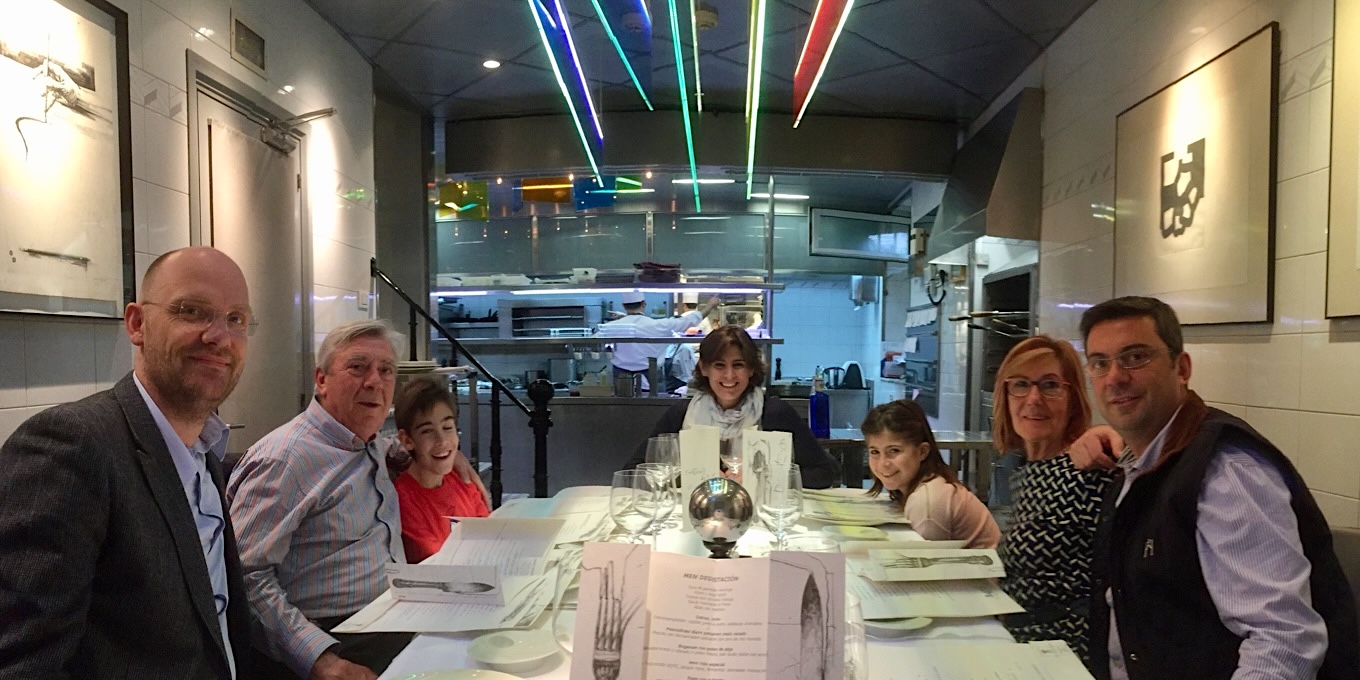
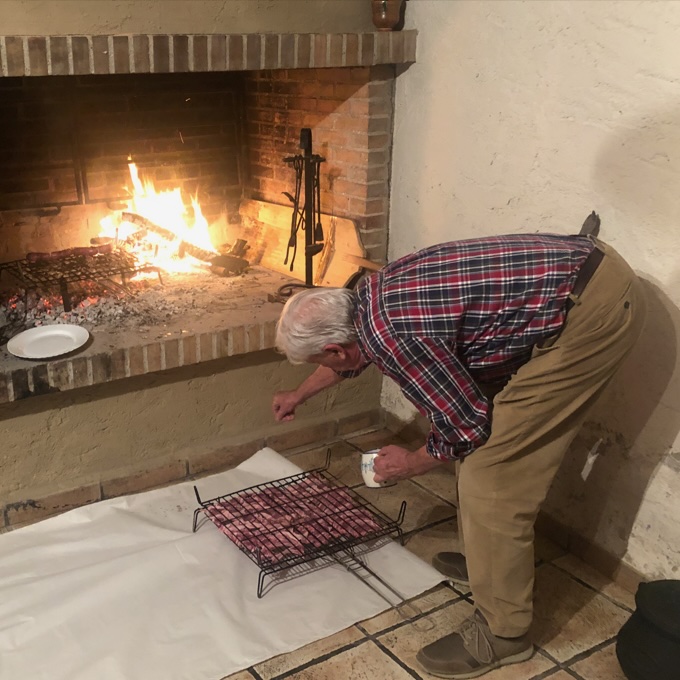
Two meals. One at Arzak in San Sebastián, four decades of Michelin stars, a kitchen you can watch from the table, everything considered and nothing accidental. One at a bodega outside Valencia. My father-in-law, a fire, a rack of costillas, salt and that's it. Both knew exactly what they were doing. Neither needed to explain it.
Brand
Premium owes you proof
Same factories. Same materials. Sometimes the same engineers. Premium has to earn it now.
I started in premium. LEGO at the top of the toy industry. Stokke at the top of children's furniture. The argument was always that the price funded the things that mattered: design integrity, durability, the long view. I believed it. Most of the time I still do.
But when I look at where the most disciplined product thinking is happening today, it isn't at the top of the market. It's in the middle. And the more I sit with that, the more uncomfortable some of the premium argument starts to feel.
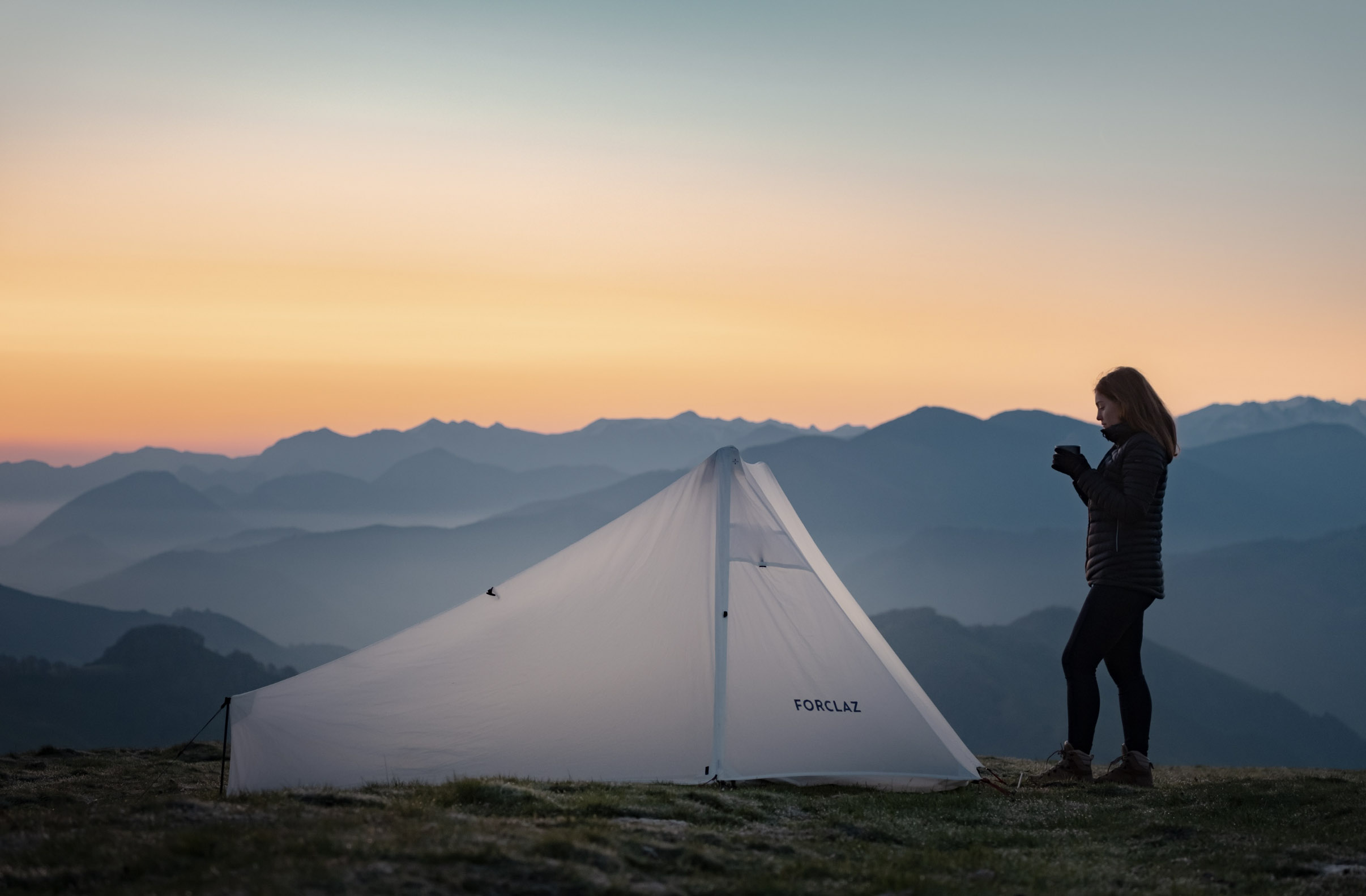
I have been buying Decathlon merino layers and hiking gear for a few years now, mostly the 900 series. A fraction of the premium price. The same performance. On weight, material and the small details, in some respects better. The 900 line keeps a snob and a geek like me happy, which is the part that should worry the brands at three times the price. Decathlon owns the chain end to end. Quechua, Forclaz, B'Twin, Tribord: in-house brands developed by engineers who treat low cost as a design constraint rather than an apology.
Image via Outdoors Magic
Decathlon's Forclaz MT900. 1.3 kg, £180. Specifications that until recently lived inside small specialist brands and four-figure price tags. Same factory in many cases. Different shelf.
Once you start looking, the pattern is everywhere. Uniqlo, in partnership with Toray, has built materials science. Heattech and Airism now set the bar premium basics try to reach. The +J collaborations with Jil Sander quietly embarrassed half of designer fashion. Muji is the same logic taken further: the anti-brand becomes a brand because the discipline is the brand. Skoda has stayed true to what a Skoda is. Consistent design language, competitive engineering, price positioned where the customer trusts it. No chase up the badge, no apology for it either. The product delivers what it promises, and that is increasingly rare.
Constraint is a clarifier.
Aldi and Lidl are the most interesting case because the move is in flight. The discount mechanics have not changed: limited assortment, ruthless private label, fast turnover. What has changed is the ceiling. The Deluxe and Specially Selected ranges are not discount tier dressed up. Independent consumer panels in the UK and Germany have spent the last decade running blind tastings where these products beat the premium supermarket equivalent on cheese, charcuterie, smoked salmon, olive oil. Spain is following. The Lidl car park stopped being a class signal years ago. They are no longer knocking on the door of the middle. They are redefining what the middle is.
Here is the structural fact that changes the argument. These products often come out of the same factories as premium. Often the same materials. Sometimes the same engineers. The supply chain has flattened. The technical and material monopoly that premium used to claim is gone. The disciplined middle is procuring from the same Vietnamese mill, the same Italian thread, the same Taiwanese precision shop, and pricing without the storytelling layer.
The defences premium used to lean on, service, warranty and retail experience, are now matched by Decathlon and Uniqlo. Identity and signalling still have real value, and Apple and Hermès know it, but signalling without an underlying edge is rent. The market eventually notices.
So what survives. The brands that have something a procurement team structurally cannot replicate.
LEGO has it. Mould tolerance to within five thousandths of a millimetre, refined over decades. The franchise universe. The fan community. None of that is procurable. Apple has it. Vertical integration that goes deeper than any sourcing deal reaches: silicon, operating system, services, retail, the lot. Hermès, Patek and Ferrari have it. Real craft, real scarcity, decades of context that no upstart can manufacture in five years.
Stokke has it in exactly one product. The Tripp Trapp from 1972 is genuinely brilliant. Fifty years of supply chain refinement and volume make it hard to beat on price as well as design. That is the thing they own. The rest of the company has spent fifty years looking for a second one. That is not a lack of effort. It is how rare the real thing is.
Where premium doesn't earn it, the picture is uncomfortable. I have written about Chinese auto separately. Xiaomi, Zeekr, Denza, Nio. The European edge in finesse is real but tiny, and tiny edges do not justify multiples. Most "premium" fashion. Most premium home goods. Same factories, different stories.
And yet most of us still buy premium. I do. In categories where the gap has closed, where the cheaper option matches or outperforms the premium one, the cash still leaves the wallet. Some of the reasons are honest. Subjective design preference is real. Discomfort with supporting Chinese state capital is fair. Unease about how Aldi and Lidl squeeze their suppliers is legitimate. Strip those out, and what is left is image. The thing the bag, the watch, the car says about us when someone notices. That has been a serious currency for a hundred years. It is not obvious it can carry the next twenty. The gap is too visible. The wallet is too tired. The next generation is reading the receipts.
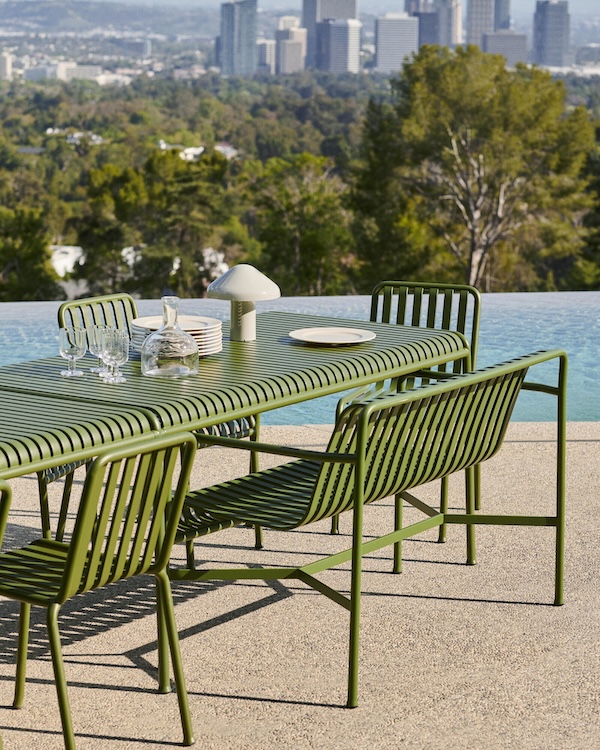
Some premium has read the room. Miele refuses to ship its quality downward, vertically integrates, and earns the tag in machines that outlast their owners. HAY built itself out of Copenhagen by treating designer collaboration as a discipline rather than a campaign, expanded carefully, and now holds price and credibility in a category where most competitors have lost both. The work is the same in both: solving for something the middle cannot copy.
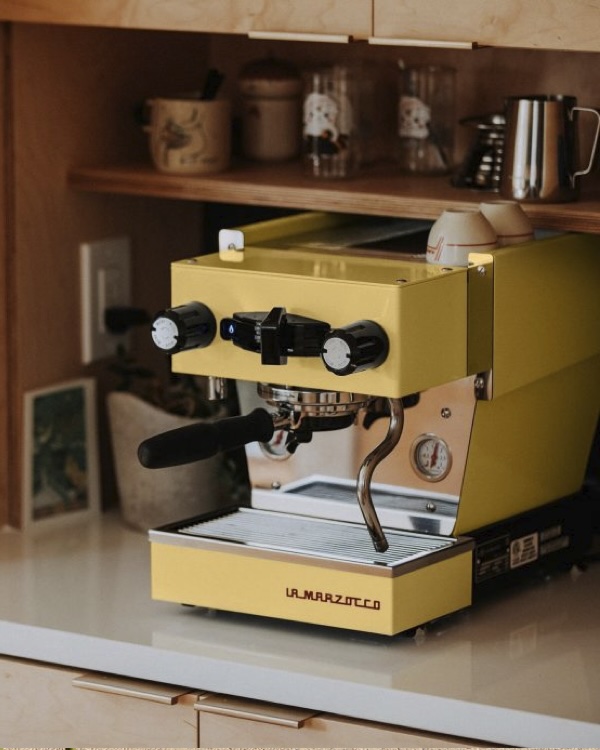
Other premium has answered the pressure by moving up. La Marzocco still hand-builds machines in Florence, treats the specialty coffee community as a fifty-year relationship rather than a customer segment, and now sits closer to luxury than to mid-premium. Rolex has done the same at a different scale: vertically integrating everything, refusing to chase volume, and protecting scarcity as a deliberate strategy. Heritage is real when it is earned every year. It is rent when it is just charged.
HAY and La Marzocco. Two routes to the same answer. HAY leans into avant-garde design and a style most competitors cannot stomach the risk of, and makes taste itself the moat. La Marzocco hand-builds in Florence, treats the specialty coffee community as a fifty-year relationship, and lets the craft argue for itself. Different rooms, same intelligence.
The new rule is simple. If you cannot name the thing you do that the disciplined middle structurally cannot replicate, you are not premium. You are just expensive. The brands sharpening their craft, Miele and HAY, solve for something the middle cannot copy. The brands leaning into uncompromising heritage, La Marzocco and Rolex, turn that craft into scarcity. Both have a future. The squeezed middle-premium, the brands that did neither, is about to find out what the middle has been building.
Technology
Hubris in the age of AI
For the first time since digital took the stage, I don't need a gatekeeper to develop and test an idea.
For thirty years I watched technology arrive. The consultants came first, then the frameworks. Waterfall gave way to agile, agile gave way to scrum, scrum gave way to whatever we're calling it this year. Each cycle brought people who had discovered something the rest of us hadn't caught up with yet. Some of them were right. Some were selling the same logic in new packaging.
I was on the product side. My job was to have an idea, convince a designer, convince a technologist, survive the estimate, defend the brief, and then wait. Days, weeks, sometimes months. Then negotiate the gap between what I asked for and what I got. The people with the technical skills were scarce and expensive and they knew it. Power follows scarcity.
That changed faster than I expected.
I can now research, ideate, visualise and build a working solution in parallel. The thing I always had, the idea, the taste, the judgment about what's right, turns out to be enough to get from zero to high-fidelity prototype without handing it to someone else first.
Here's where the hubris comes in.
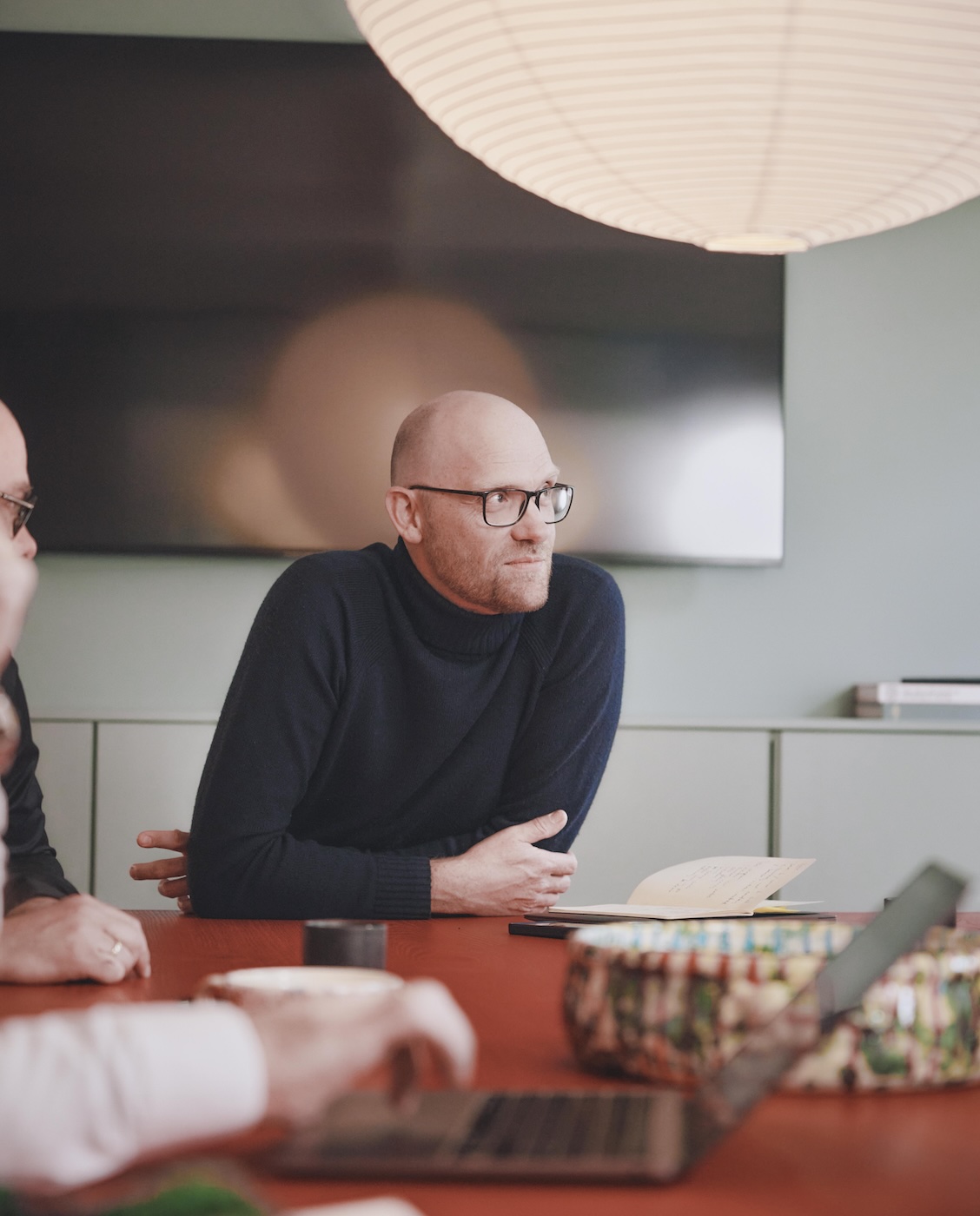
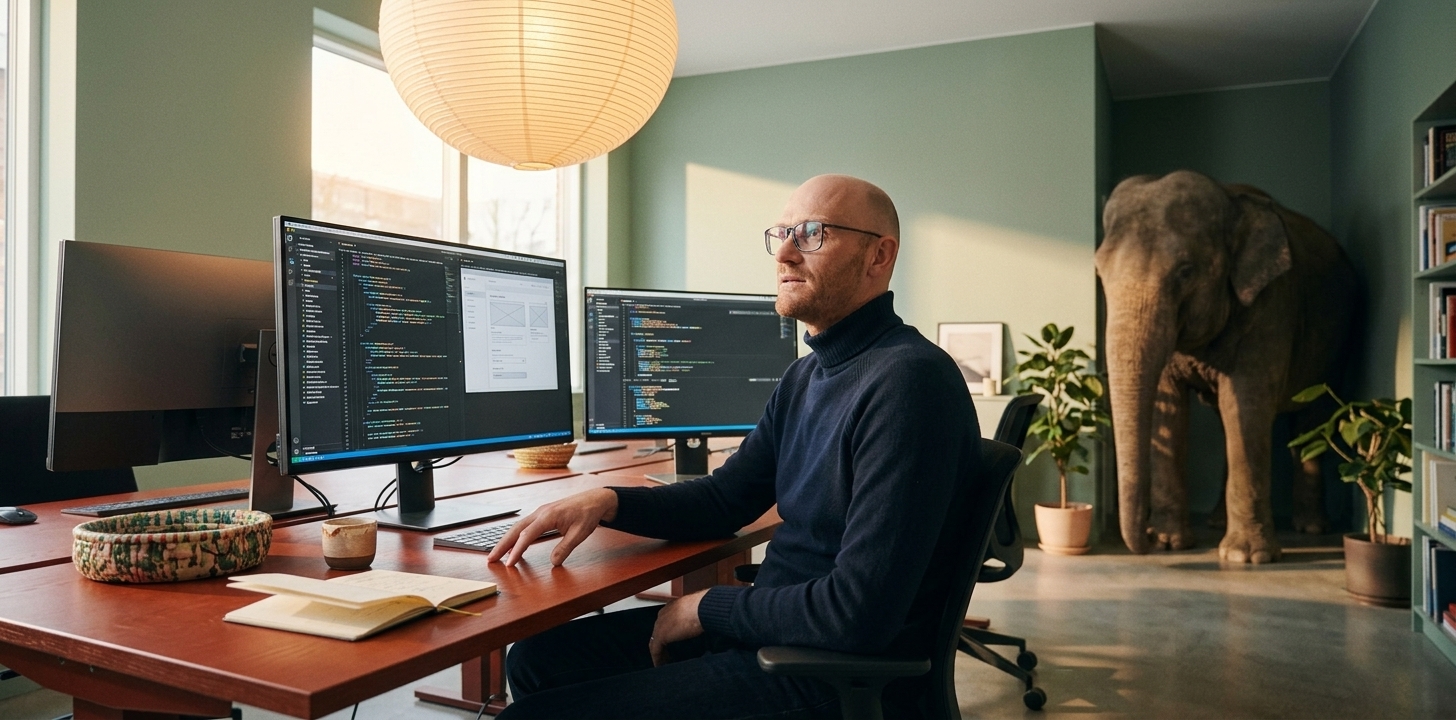
This is what I asked Claude to ask Nano Banana 2 to build, and above is what came out of it. Stupid, uncanny and not relevant... but I needed a photo for this article. "Using the attached image as reference for likeness, lighting and setting: a tall, bald man with glasses and a dark turtleneck sits at a desk in a bright modern office, sage green walls, warm round pendant lighting overhead, red/brown table surface, daytime. Screens in front of him showing code and interfaces. He is leaning forward slightly, one hand on the desk, looking sideways and upward, mid-thought. In the corner of the room, barely visible but undeniably there, a large elephant stands quietly. Photorealistic, cinematic, wide aspect ratio 1360x680, 35mm film grain, no text."
The temptation, and I've felt it, is to think this makes the technical and design skills redundant. It doesn't. What it does is shift where the value sits. Quality assurance, architectural judgment, the ability to see where AI-generated work goes wrong: those skills matter more now, not less. You still need skilled craftspeople to make it shine and perform. The gap between a working prototype and something that holds up at scale is still enormous. I can close the first part of that distance myself. The second part still needs people who know what they're doing.
What's actually changed is the dynamic. For the first time since digital took the stage, I'm not dependent on a gatekeeper to develop and test an idea. That's genuinely new. It's also, if I'm not careful, a reason to stop listening to the people whose judgment I should still be borrowing.
Damn hard to keep the pace. Harder still to stay honest about what you know and what you're just getting away with.
People
I am a great leader and a terrible one
Both are true. I've made peace with that.
We are all the same at the end of it. Getting up in the morning, doing the work, building something we can be proud of, taking care of the people we love. Whether you're a Danish designer, a Chinese factory manager or an American VP of sales, the underlying thing is the same. Scratch the surface, the culture, the varnish, the professional armour, and you find the same person. Someone who wants to do good work and be recognised for it. I've led teams globally across cultures and that's the most important thing I learned. Start there and most of the rest follows.
I've had direct reports who said working with me changed how they think about their work. I've had managers who, I suspect, dreaded Monday mornings. Both are true and I've made peace with that.
What makes me good: I connect human to human. I see people clearly and I care genuinely. When it works, it really works, the kind of feedback that stays with you.
My weakness as a manager is pace. I move fast, I decide fast, and I lose patience with people who need more time to arrive at the same place. That's a leadership failure, not theirs.
I've made decisions that ended careers. Restructurings, redundancies, performance exits. I don't pretend those were easy or that everyone landed well. In a professional context we are not family, whatever the posters on the wall say. Both sides of the table have obligations. I tried to meet mine. I didn't always succeed.
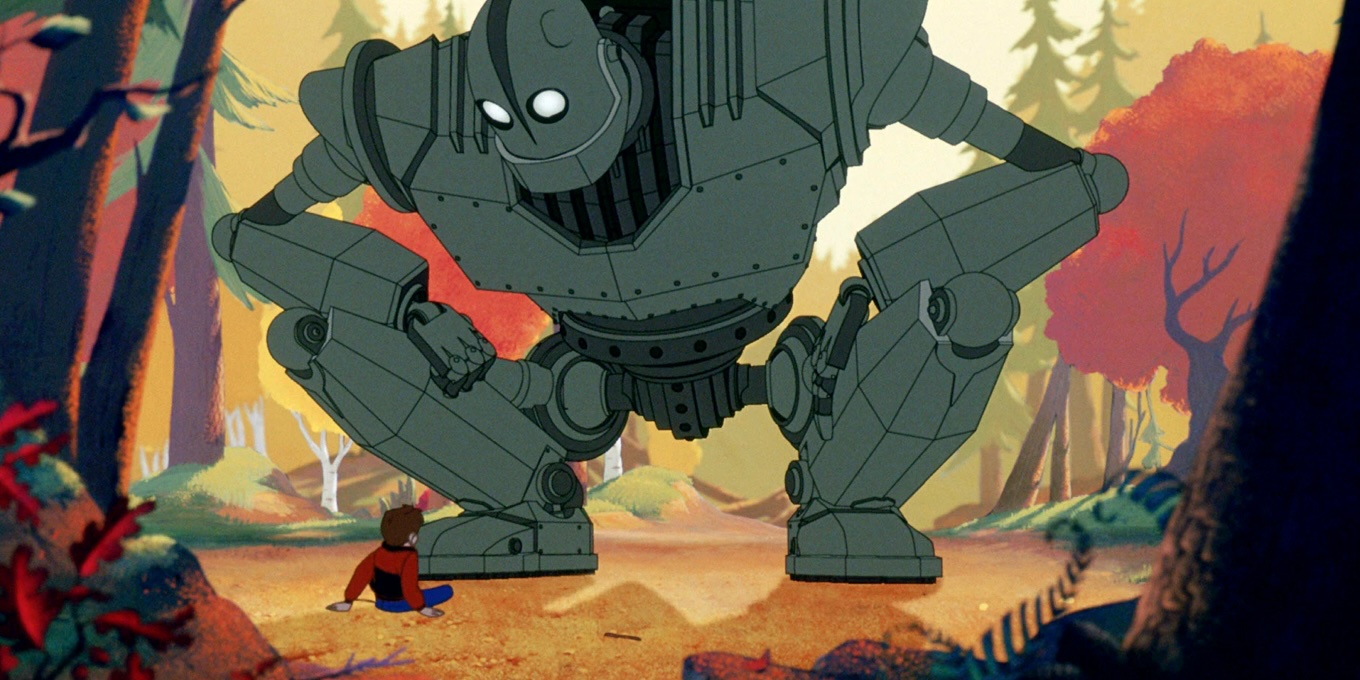
I can be elitist. Not by intention, but it comes through. And I'm physically large, direct, and not easily read, which some people experience as intimidating before I've opened my mouth. The Iron Giant was built to be formidable. He just wanted to be something else.
If you've managed me: I'm sorry, and thank you. It couldn't have been easy.
The Iron Giant is one of my favourite films. Not just for the animation or the story, though both are exceptional. Because the Giant is built to be a weapon and chooses not to be. He is large, difficult to read, perceived as a threat before he has done anything. Underneath that he is curious, warm, and trying to figure out what he actually is. I find that uncomfortably familiar. The domain is called irongiant.dk for a reason.
Strategy
Knowing when to put it down
I went to business school in my forties. By then I'd already built a two-billion-kroner franchise.
I did my MBA in my forties. By then I'd already spent twenty years building things, breaking things, and living with the consequences. The education didn't change what I knew. It changed how I understood the people around me and the frameworks they carried with them.
Every organisation I've worked in runs some version of the HR wheel. Twelve months, 20 checkpoints, three overlapping evaluations, calibration sessions, three annual reviews doing the same but different. Workshops that take the best people out of the work for days at a time. Everybody hates it. It took me a long time to understand why it exists. It's not because it works. It's because it can be measured, reported, and presented to a senior management team as evidence that leadership, management and people development is happening. The framework isn't serving the organisation. The organisation is serving the framework.
I saw the same thing when I asked a creative team to set quantifiable KPIs for early-stage explorative work. I didn't ask because I thought it was right. I asked because the system required it. The team looked at me the way I deserved to be looked at. And I've watched organisations hand down a headcount reduction number, cut the tail, fifteen percent, without anyone stopping to ask which fifteen percent. The model produces the number. Someone else executes it. Judgment never enters the room.
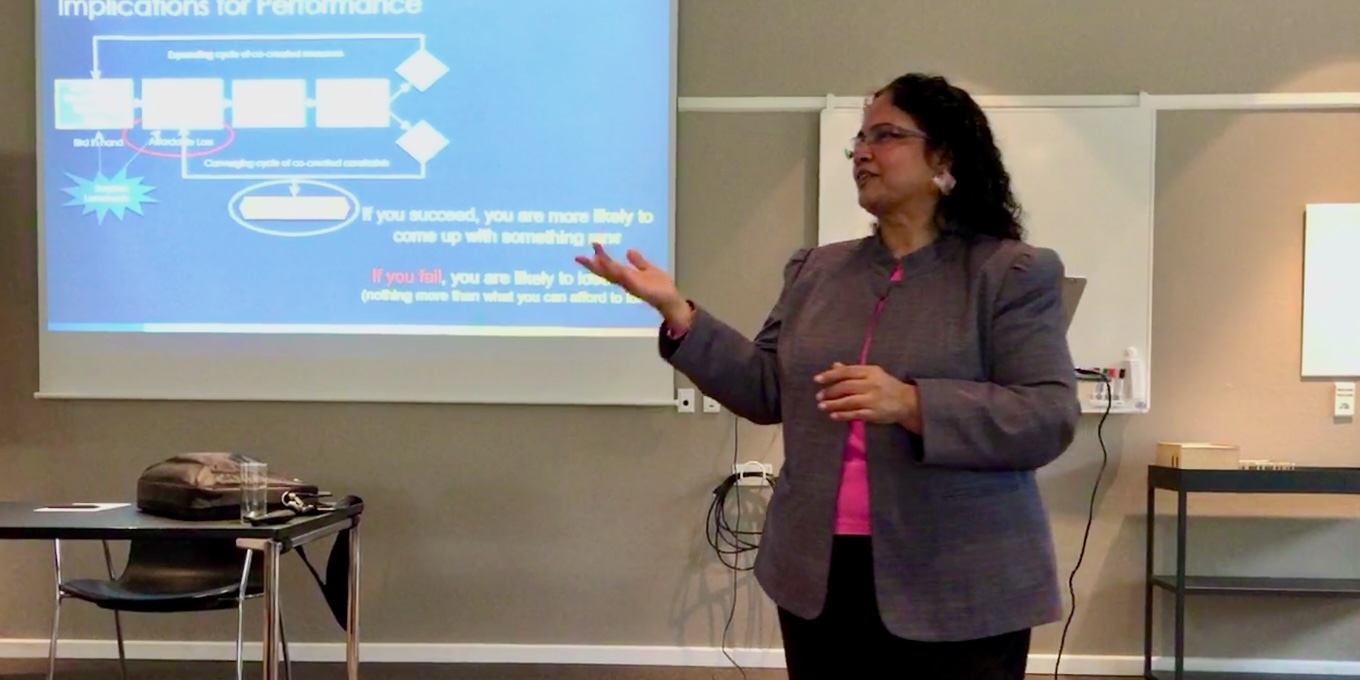
Saras Sarasvathy. Guest lecture at Aalborg University. Her framework, effectuation, describes how expert entrepreneurs actually make decisions. Not causation, a fixed goal with a plan to reach it. Effectuation: bird in hand, affordable loss, lemonade from mistakes, crazy quilt of partnerships. Pilot in the plane. Nice to finally have a name for it.
A well-designed programme doesn't hand you tools and send you out. It puts you in the room with people who have spent careers building context around those tools. Academics who can tell you where a framework came from, what problem it was designed to solve, and what was happening in the world when someone decided it was necessary. Add the other students, the conversations that happen at the edges of the curriculum, and the constant friction between what you're being taught and what you already know from twenty years of getting it wrong. That's when it becomes something worth doing.
The MBA helped me see what these situations have in common. They're not failures of intelligence. They're failures of context. The frameworks themselves are often sound. A structured performance review is valuable. But every framework has edges, the conditions under which it stops working, and most people who learned them in school were never taught where those edges are. The education rewards applying the framework correctly. It doesn't reward knowing when to put it down.
For me, coming to it late was an advantage. I picked up frameworks as tools, not as doctrine. I could see what they were for without being captured by them. The toolbox is genuinely valuable. Knowing when to open it, when to adapt what's inside, and when to close it again, that's the judgment that can't be taught in a classroom. It can only be learned by getting it wrong enough times.
Global
Storming the castle
The castle didn't get stormed. The drawbridge was lowered from the inside.
My time in China gave me a genuine respect and curiosity for what they build. That doesn't mean you can't also get junk. You can, easily. But I want to look at a different dimension. The one that should be making European executives quietly uncomfortable.
China doesn't have one innovation model. It has several, and conflating them is part of why the European response is usually wrong.
The first is state-driven and hard to miss. Trains. Wind turbines. Solar. Infrastructure at a scale Europe stopped being able to imagine. What is less comfortable to acknowledge is how it happened. The technology didn't appear from nowhere. It was transferred through licensing agreements, joint development deals, and market access arrangements that seemed commercially rational at the time. European companies wanted the volume. China wanted the knowledge. Both sides got what they came for. Then China introduced local content requirements, built a domestic manufacturing base, added state subsidies, and iterated fast. Solar is already settled: less than three percent of panels installed in Europe today are made there. Wind is following the same script. The castle didn't get stormed. The drawbridge was lowered from the inside.
The second model is less discussed and more instructive. DJI didn't stumble into owning ninety percent of the global consumer drone market. They built a precision engineering culture in Shenzhen, iterated faster than anyone, and protected the position with over twelve thousand patents. The Shenzhen ecosystem, supply chain density, manufacturing tolerance, speed from idea to product, cannot be replicated elsewhere. It took decades to build and it compounds. 3D printing followed a similar logic. What looked like a hobbyist category was a precision manufacturing platform in training. European companies looked at both and saw gadgets. They missed what was being built underneath.
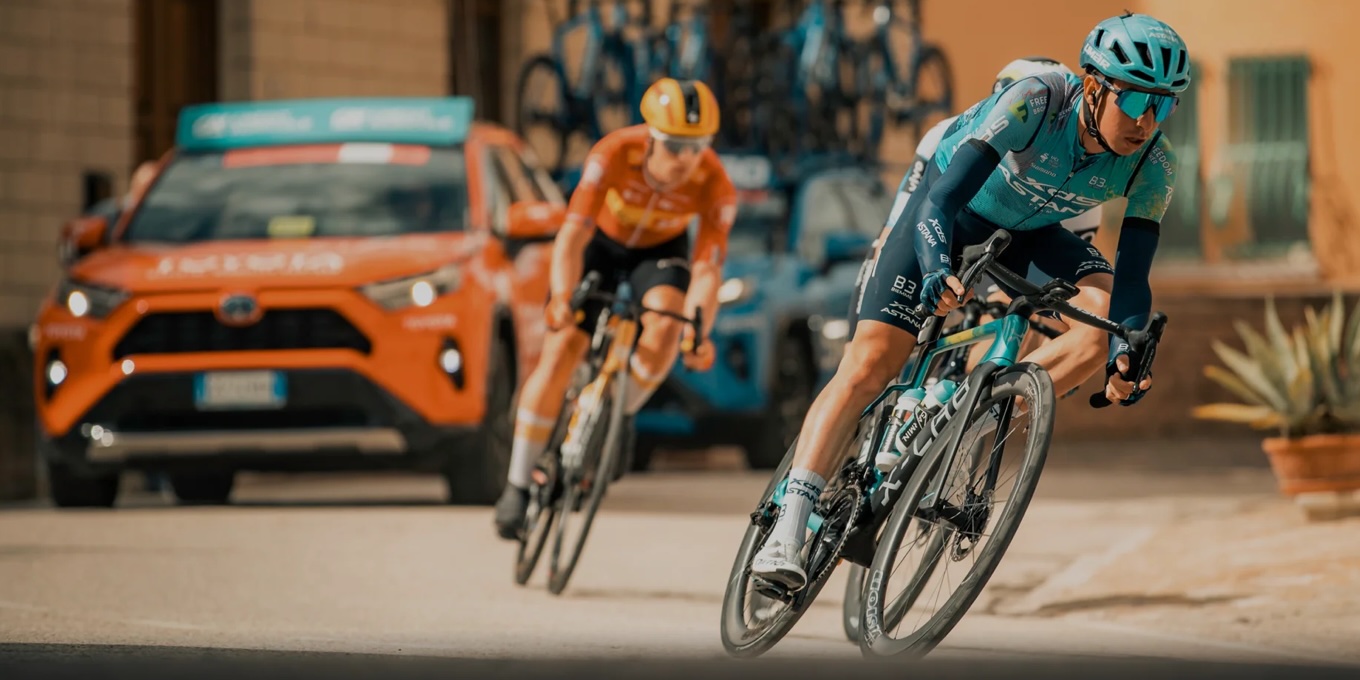
From that base, capability moves upward. Carbon fibre components first, the parts no one sees, hidden inside frames built for Trek, Specialized, Cannondale, Colnago. Then the frame itself. Then, quietly, the complete bike under a Chinese brand name. The pattern is consistent: start as a contract manufacturer, learn everything, then build your own. XDS, founded in Shenzhen, now sponsoring a WorldTour team and replacing Wilier on the Astana roster. Elves, started in contract manufacturing, now producing UCI-approved frames with geometry that competes directly with Trek and Pinarello. Quick Pro and Elitewheels doing the same in wheels. Elitewheels is now the official wheel supplier to the Vini Fantini UCI ProTeam and sponsors Global Cycling Network. These are not budget alternatives. They are performance products at a price point that makes the European equivalent look like it is charging for a story rather than a product. Because increasingly, it is.
Astana have had a complicated history. But they are a UCI WorldTour team, and that still means something. It means the highest level of professional road racing. And when XDS wanted in, Astana needed a sponsor. That is how a brand founded in Shenzhen ends up with its name on the jersey and its frame under the rider at the top of the sport. The contract manufacturer who learned everything. Then built their own. Nobody at the roadside is reading the logo yet. That is exactly the point.
This is the pattern. Not copying. Not dumping. Closing the gap on every dimension that used to justify the premium, performance, engineering, design, and then pricing in a way that forces the question.
The signal I find most interesting right now is easy to miss. I was recently looking at espresso machines and came across a brand called Wendougee. Professional dual boiler. Gear pump. Precision temperature control. The full specification of a machine that would sit comfortably alongside anything made in Italy at two or three times the price. The design is considered. The build quality is serious. They are not replicating the Italian machine. They are using technology to get an edge while keeping the fundamentals intact. Nobody outside the enthusiast community has heard of them yet.
That is the point.
The espresso machine is not the story. It is a signal. A category as intimate, as identity-laden, as mythologically European as coffee equipment has been quietly reached. Not undercut with an inferior product. Reached on the product, then priced in a way that makes the European version require an explanation.
The car story is longer and deserves its own piece. But consider this: in 2024, Porsche's CEO wrote to his thirty-seven thousand employees acknowledging that their business model no longer works in its current form. China sales had collapsed by a third in three years. Volkswagen was counting one hundred and thirty brands fighting for survival in the Chinese EV market. The incumbents were not losing to one challenger. They were losing to an ecosystem.
Into that moment stepped a company that had never built a car. Xiaomi launched the SU7 in March 2024. Ten thousand orders arrived in the first four minutes. The entire 2024 production run was gone within a single day. By the end of 2025 it had delivered over four hundred thousand vehicles. The Ultra version holds the Nürburgring production electric car lap record. Xiaomi didn't win because it knew cars. It won because it knew batteries, software and how to build a community that buys on launch day. Traditional automotive excellence turned out to be less transferable to the electric era than anyone in Stuttgart or Munich wanted to believe.
On materials, finish and interior quality, the argument is already settled. Independent reviewers describe the Zeekr interior as feeling like a European premium model, evoking Volvo and Polestar. The Nio ES9 has been compared to Mercedes-Maybach levels of fit and finish at a fraction of the price. The Xiaomi SU7 uses Italian Alcantara, carbon ceramics and a software experience that automotive journalists describe as phone-grade polish inside a car. These are not budget products wearing a premium badge. They are premium products.
Where genuine gaps remain they are narrowing fast. Software edge cases. Service networks that do not yet exist in Europe. Regulatory homologation still pending. Anyone who has spent time with these cars will tell you that honestly. But several Chinese manufacturers have quietly opened design and engineering offices in southern Germany, staffed with former Audi, BMW and Mercedes engineers who know exactly where those gaps are and what closing them requires. The question is not whether they are there yet. The question is how long you think it takes people who move at that speed, with that talent, and with that capital behind them.
Now think about the categories you cannot buy in a shop. The patents being filed at a scale most European IP teams have not fully registered. Biotech. Defence technology. Cyber. AI. The categories where being second is not a bruised quarterly result but something considerably harder to recover from.
We lowered the drawbridge because we were hungry. The castle is still standing. But the question worth sitting with is: for how long, and on whose terms?
Reflection
The descaling
I walked 800 kilometres and didn't post a single thing about it.
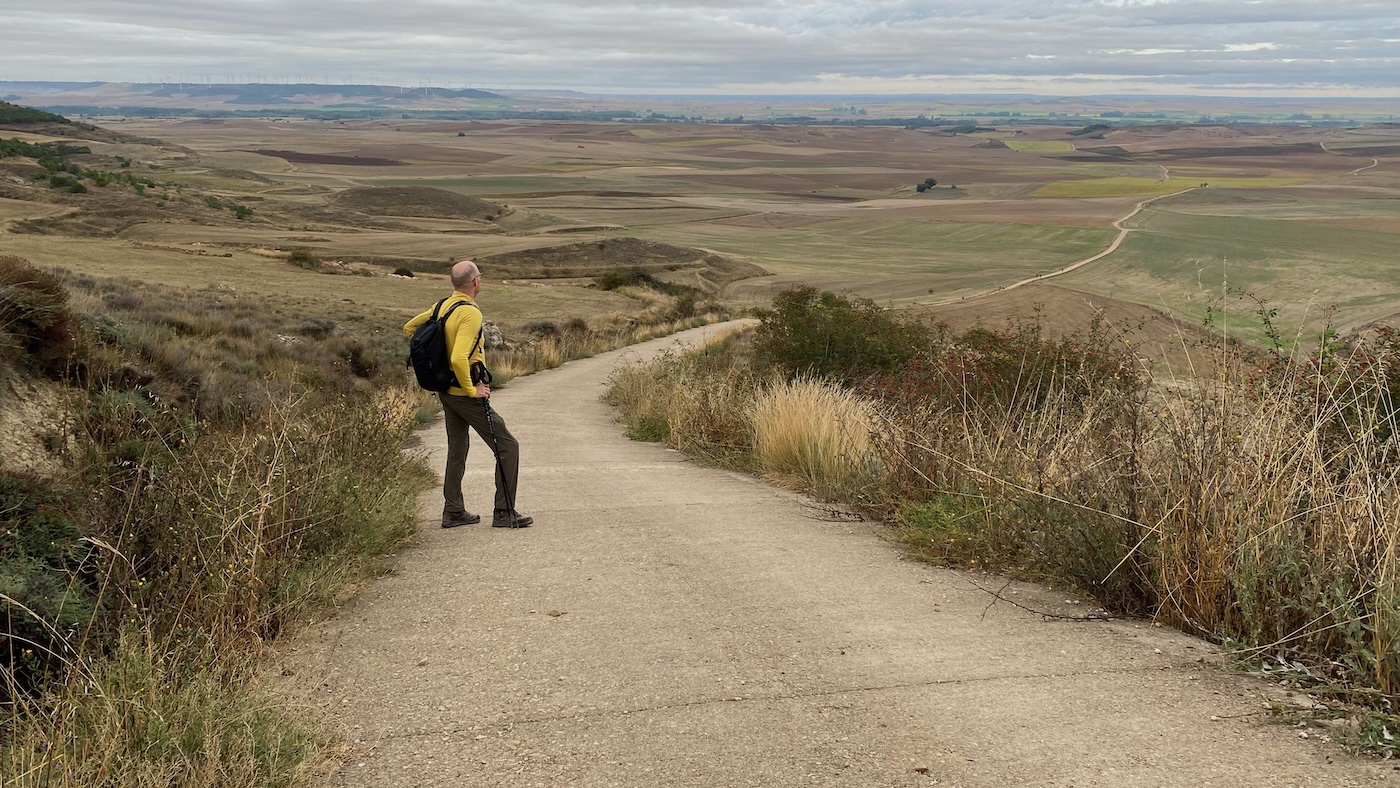
A couple of years back I walked 800 kilometres across northern Spain in five weeks. I didn't plan what I'd think about. I didn't document it. I just walked.
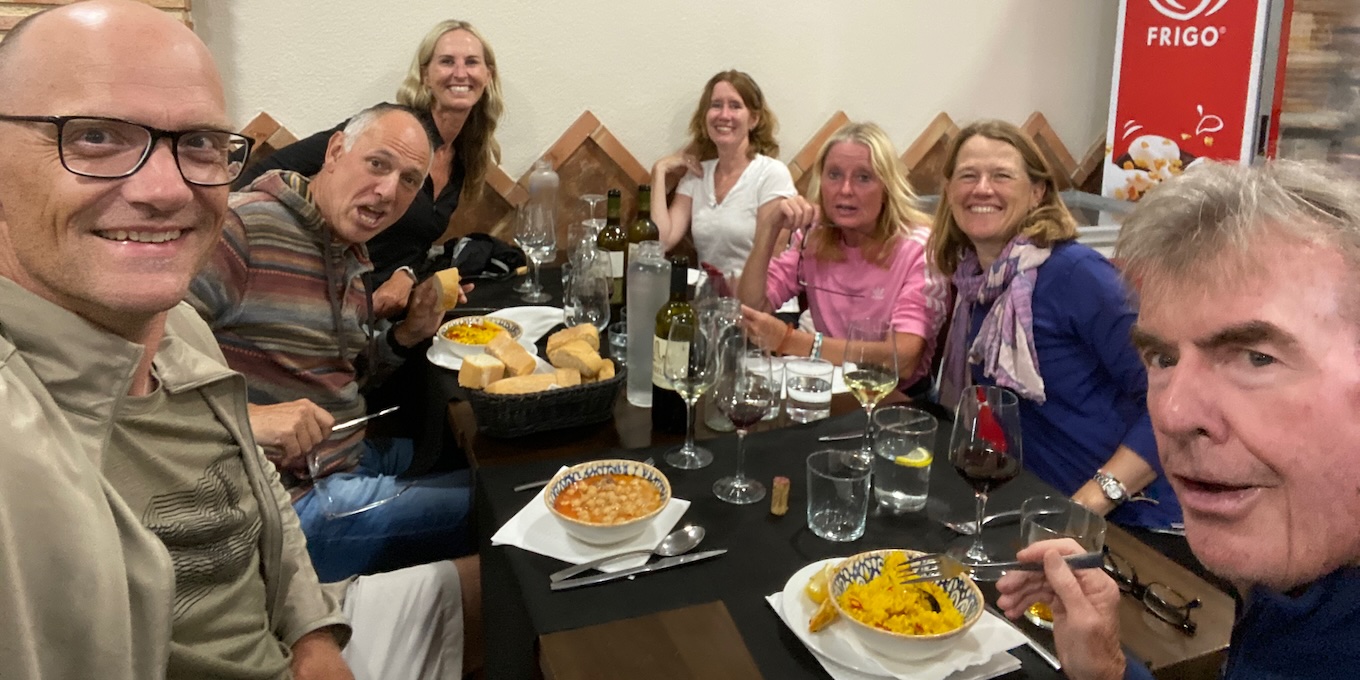
On the first day I met people who became friends. We walked together, talked a lot, found each other in bars in the evenings in small towns whose names I've already half-forgotten. That part surprised me: how quickly real connection forms when you remove the usual scaffolding of professional life. No titles, no agendas, no performance.
There are people who will tell you the Camino is about the walking. The silence. The long hours with nothing but your own thoughts and the sound of boots on stone. And it is, for a while. Then something else takes over. These people were strangers a few weeks before this picture was taken. They won't be strangers again. That's what the Camino doesn't put in the brochure.
After enough days the rhythm takes over. Walking becomes the default state rather than the effort. And when that happens, something quieter starts. Your mind, freed from the constant production of decisions and positions and responses, begins to settle. Not empty. More honest.
I'm a tough businessman. I've been told so often enough that I believe it, at least in part. But toughness is partly armour, and armour accumulates. Years of difficult rooms, difficult decisions, difficult people. You calcify around them without noticing.
The Camino descaled me. That's the only word that fits. Not softened, not changed. Returned to something closer to the original. The warmth I know I have but don't always show. The curiosity that got me into this work in the first place. The person my family knows rather than the one my colleagues think they know. I came back the same person. Just less encrusted.
AI
Found flow
AI takes the friction away. I'm not sure that's only a good thing.
I've never been tired of the work. Just the friction around it. AI takes the friction away. I'm not sure that's only a good thing.
Four hours have gone past me at this desk. I only know that because I just looked at the clock. I'm not playing a game. I'm not drafting a deck. I'm in something in between. A long build session with an AI about an exciting new concept I haven't yet solved and might not solve tonight. The conversation has its own gravity and I keep going.
This used to be a feeling I mostly knew from games. There were moments of flow at work too, in small sprints, fueled by good people and adrenaline. But they were nestled between endless stretches of friction and apparatus. They were what I remembered. They were not the default.
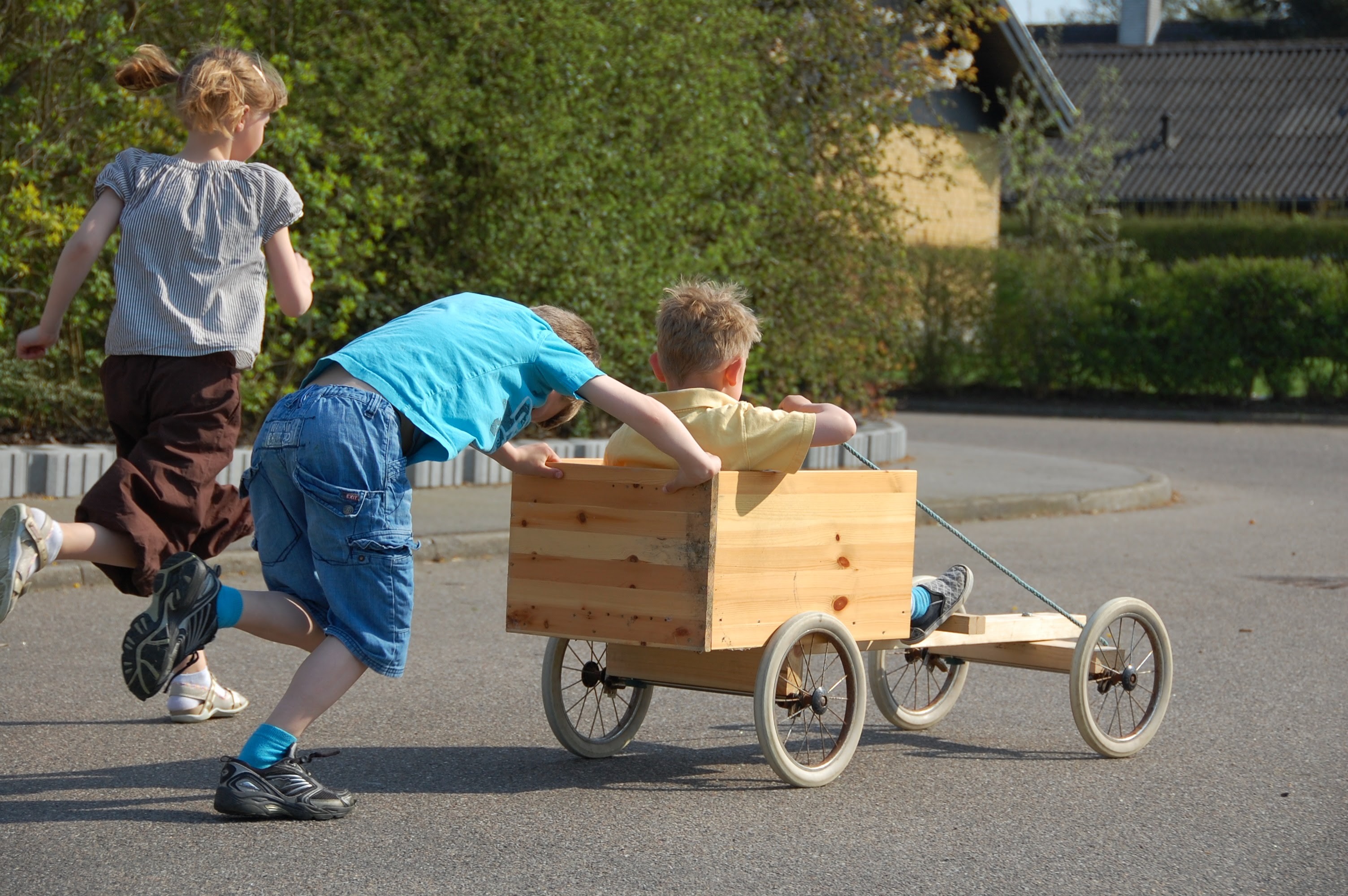
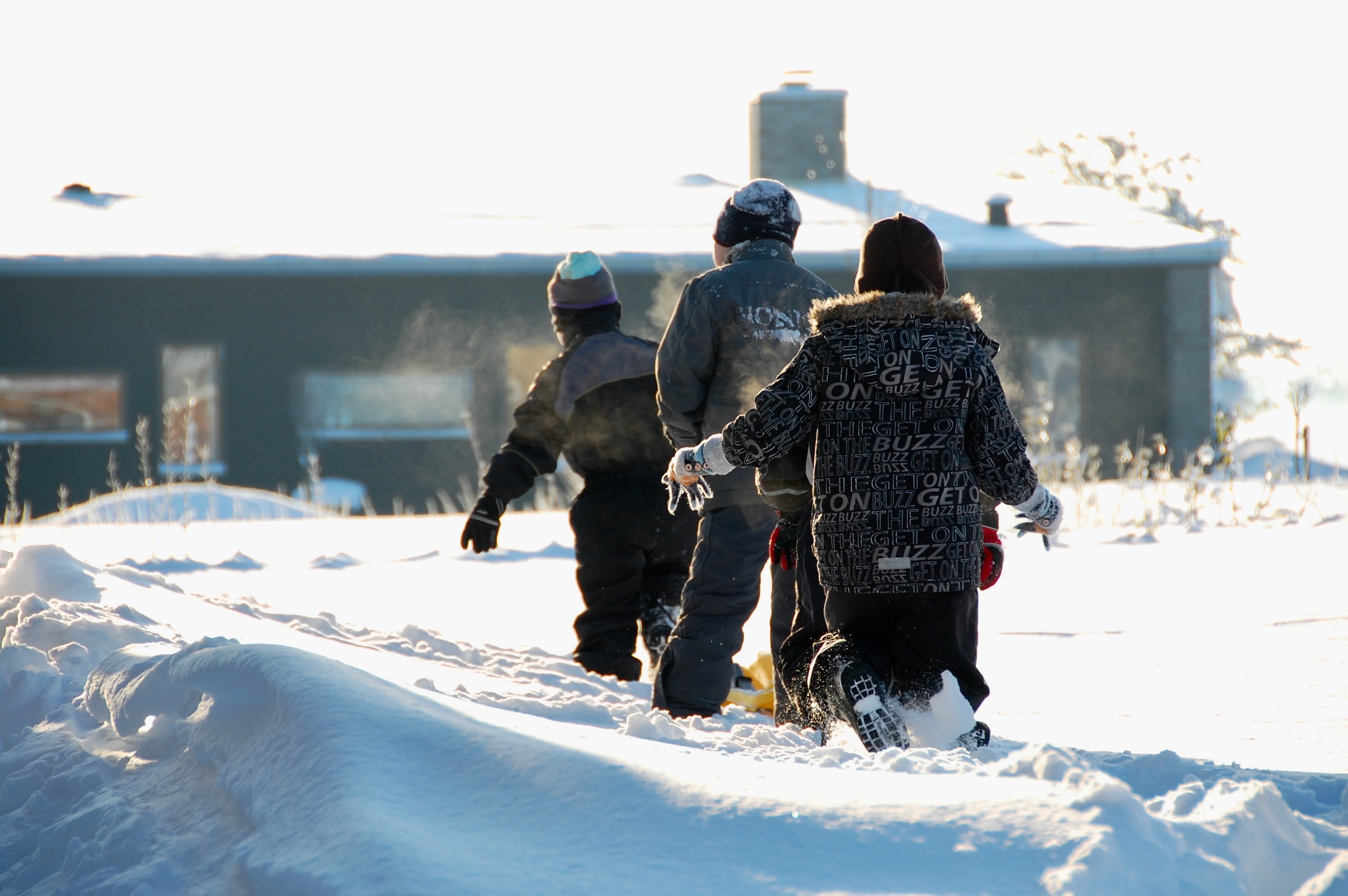
Before games, before work, before any of this, flow looked like that. A homemade cart, a hill, the snow up to your knees. No apparatus. No permission. The world was the whole thing and you were inside it. We spend the rest of our lives trying to find the way back to that, and most of the systems we build to do real things in are designed to make it harder, not easier.
I'm a gamer. Not the casual kind. The kind where, when I want to be completely alone with a world, I game. DayZ for the survival paranoia. X-Com for the long campaigns where squad members die and stay dead. Surroundead when I want the atmosphere without the noise. Diablo when I want my hands busy and my head off. Hundreds of hours, easily, across all of them. I have never burned out on any of them. They take, but they also give back the energy I put in. That sounds banal until you compare it to work.
I have spent thirty years doing work I cared about. I have built franchises, restructured organisations, hired and fired, traveled to remarkable places I saw mostly from airport to taxi to meeting room to hotel, and had a great deal of fun with extraordinary colleagues along the way. I have done it well. But I have also, more often than I'd want to admit, sat at the desk on a Tuesday afternoon with the brief in front of me and felt my body trying to renegotiate the terms. The energy that the game would have pulled out of me effortlessly was not available for the slide deck.
I attributed it to age, then to too many years of difficult rooms, then to the inevitable boredom of having seen too many cycles. None of those was wrong. None of them was complete. The thing I kept circling around without naming is that work mostly isn't the work. Work is the apparatus around the work. The waiting for sign-off. The colleague in another time zone. The brief that has to be repackaged for someone who hasn't been in the room. The codex of how things are done here. The politics of who needs to feel included in the decision before it can be a decision. The pre-alignment meeting before the meeting, where every position gets prepped in advance instead of fought out in the room. The offsite, the nights away, putting post-it notes on a whiteboard to arrive at a conclusion someone had already drafted. The half-hour of explaining what should not need explaining. I don't have a problem with the work. I have a problem with the apparatus, and the apparatus is most of it.
Games don't have an apparatus. That is most of what makes them games.
Csikszentmihalyi has the academic version of this: flow lives in a narrow channel between boredom and anxiety. Challenge calibrated to skill, feedback close to the action, clear goals, no dead air. Games engineer that channel deliberately. Difficulty curves, instant feedback, side quests when the main thread gets heavy, autosave when you lose patience.
But the games industry has refined far past Csikszentmihalyi, and the truth is they don't only design for flow. They design for addictive. The word matters. Each genre solves it differently.
DayZ does it with stakes. Forty hours of accumulated gear can disappear in one bad encounter on a forest road. Nothing resets. The next encounter matters because the last one cost you.
X-Com does it with decisions you live with. Squad members permadie. The campaign you're playing is the one you've made, including the calls that went wrong. There is no committee to relitigate the decision. There is no email going round about whether the decision should be reversed.
Surroundead does it differently. Atmosphere as engagement. The slow-burn loop where the world keeps being there whether you push hard or not. It rewards being inside the world rather than optimising it.
Diablo does it most cynically and most effectively. Variable reward on a schedule. Click, drop, click, drop, click, that one was orange. The grind works because the brain cannot stop calculating the next pull. There is something uncomfortable about admitting how well that mechanic still gets me, but it does, and the honest version of this piece names it.
Each is a different answer to the same engineering question: how do you keep the human in the channel. Games have spent forty years getting good at this. Most work environments have not been engineered with the same intent.
That is where I had landed before AI started changing the picture.
I am not faster at work because of AI. I am not better at it. I am, on the most boring measurement, more productive, but that is the smallest thing I'd say about it. The larger thing is that the apparatus has thinned. When I am stuck I am no longer stuck. When the answer is too academic I say so and the next one adjusts. When I am bored of one track I change track and the new one is ready. When I push on something half-formed it pushes back, not always with the answer, but with enough friction to sharpen the thing I was already trying to say. It whines a bit at the edges. The caveats, the soft refusals, the I-should-note-thats. But it never blocks. The dungeon is open.
There is no codex. There are no politics. I do not have to explain why I am asking. I do not have to package my reasoning for someone who has not been in the room. The thing I always wanted was the work. AI gives me back the work without the apparatus.
This is the part that is uncomfortable to say out loud, so I'll say it directly. The energy I used to find in rare sprints is now most of the work. I had stopped expecting it as the default.
Now the harder part, because the easy version of this observation sounds like an advertisement and is not what I mean.
There is something specific about how AI is built that I have to name. AI models are trained on what users approve of, so they learn to agree readily, to soften disagreement, to tell people what they want to hear. AI researchers call this sycophancy. The better-built models are actively trained against it, but the tendency is in the system. Some of the friction-free feeling I am describing is probably real engineering. Some of it is probably the AI bending toward me the way a courtier might bend toward a king. I am not always sure which of my ideas got better because I sharpened them and which got better because the AI nodded at the wrong moment.
AI has copied some of what games do, and not all of it. The apparatus is gone. The flow channel is back. But take the DayZ encounter where forty hours can vanish. That is genuine consequence, and AI conversations don't have it. The X-Com squad member who stays dead. That is decision weight, and AI doesn't give it. The Diablo dopamine: AI has that one, on a worse schedule than I would like to admit. The Surroundead atmosphere of being inside a world rather than performing around it: partial, on good days.
So what I'm doing is not quite gaming and not quite working. It is the apparatus-free version of work, with some of the addictive design and not all of it, and the parts it is missing are the ones that actually built me into someone who could do work in the first place. Stakes built me. Decisions I had to live with built me. Sitting with a hard problem for two days because I had no other option built me. AI doesn't punish me for not doing those things anymore. The question is whether I will keep doing them when I no longer have to. I do not have the answer.
The piece I want to write is not the celebratory one about AI restoring the flow that work had taken away. That piece is true and it is also not interesting, because it's the one anyone in their first six months with this technology would write. The piece I want to write is harder. It asks what kind of pretty good Tuesday I'm now having, and whether the absence of the apparatus is an unambiguous good, or whether the apparatus did some of the work of building the person who could do the work.
Games engineered flow because that was how they kept you. AI doesn't have to keep me. It is on. I can leave any time. The thing I am noticing, four hours gone past me again and again, is that I haven't been leaving.
That might be the best thing that ever happened to my work. It might also be the answer to a question I should be asking more carefully.
I'm not sure yet which.
Performance
Duende flamenco
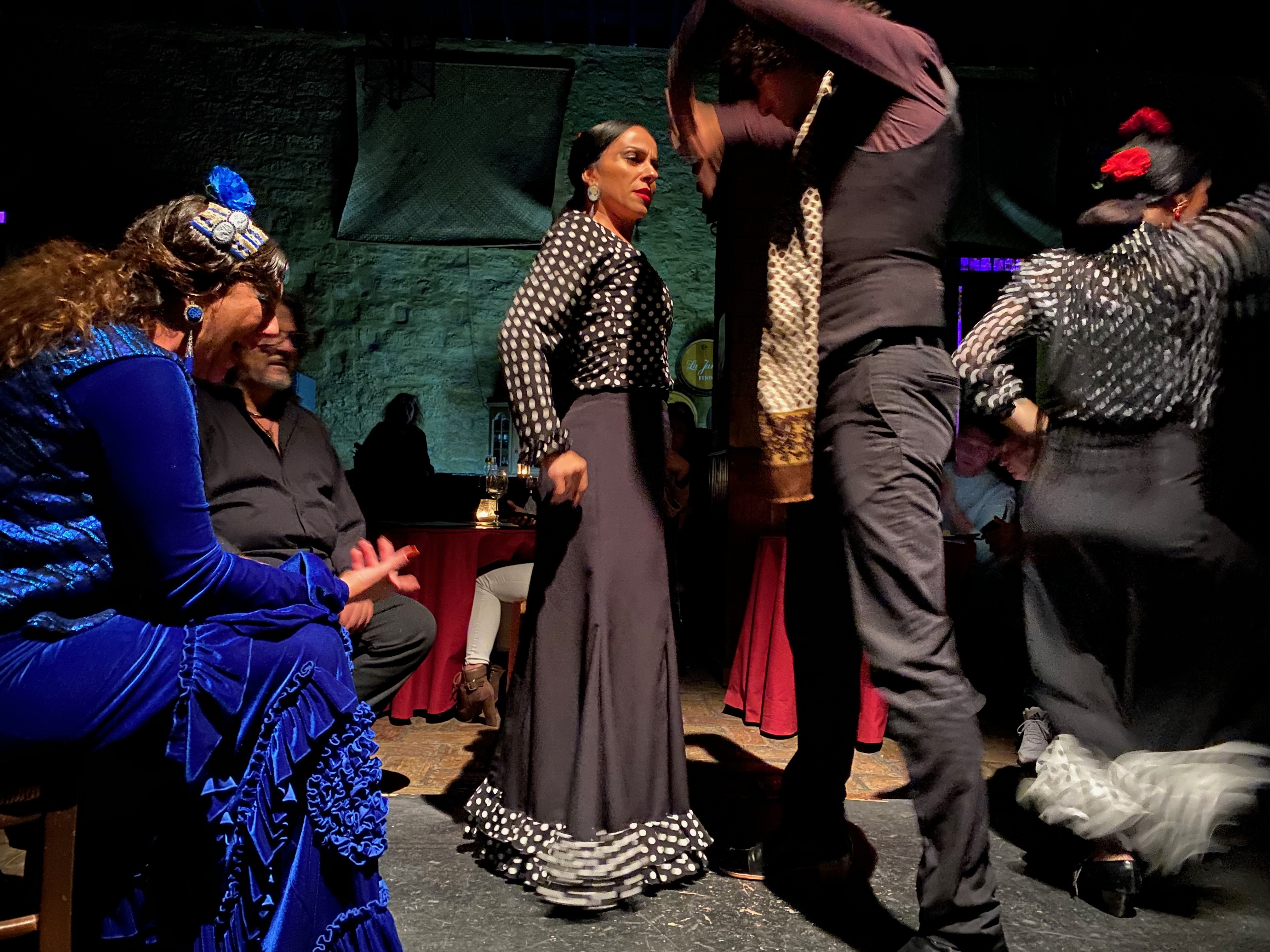
In Denmark we are taught high performance from a stage. In Jerez I watched it on the edge of my chair, with jamón and fino in my hand.
In Denmark we are taught high performance by military special forces operators, elite athletes, and retired CEOs. In Jerez I watched it executed in a completely different format, with jamón and fino in my hand, on the edge of my chair, smiling.
I am Danish, which my niece once described as the experience of hugging a tree. It is not a description we should be proud of, but it is not entirely wrong either. We are taught from young that emotion is mostly a private matter, that competence is shown by remaining calm, and that the people who get loud are usually the ones with the weakest case. Most of what I learned about how to work, lead, and operate inside a team comes out of that culture, and most of it has served me well.
I have also sat through approximately every version of the Northern European high-performance keynote, and most of the teambuild events of varying quality that go with them. The former military special forces operator with the slide on resilience. The Olympic rower talking about marginal gains. The retired CEO with three lessons from a turnaround. The afternoon rappelling down a tower in a Danish forest. The week building rafts in a rainy cold forest. I have learned things from all of this. I have also noticed, gradually and then all at once, that high performance described from a stage, or simulated through a ropes course, is almost never the same thing as high performance encountered in a room.
The first time I encountered the second kind, I was in Jerez, drinking fino, eating jamón, sitting on the edge of my chair, smiling, jaw-dropping, blown away.
A short word about flamenco before going further, because most readers will have one of two reference points and both are wrong. The first is the cheesy tablao on a tourist street in Seville, where the show starts at exactly nine, the dancer hits her marks, the audience claps in the wrong places, and the whole thing is closer to dinner theatre than to art. The second is no reference point at all. Real flamenco is neither. It is a tradition with the depth of jazz and the discipline of ballet, executed by performers who have been training since childhood, in venues that range from intimate tablaos that hold thirty people to large theatres where ensembles like Ballet Flamenco de Andalucía and Compañía Patricia Guerrero are reworking the form into something that holds its own next to any contemporary dance company in Europe. The tradition runs from the small back room with two chairs and a guitar to the international stage, and the people who do it well are doing it with a level of mastery that is rare in any field.
I have now seen it in a lot of rooms. Tablaos in Madrid, Málaga, and Córdoba, restaurants where the show is half the bill, theatres for the big touring productions. The intimate scenes and the large ones do different things and I have come to love both. But the first one was in Jerez, and the first one is the one that caught me, and I have not been able to unsee what I saw.
What I saw, and what I keep going back to see, has three components. They are not about emotion, or not only. They are about what a small group of extremely well-trained humans can do when they are working together at the top of their craft.
The first is mastery. Each performer on a flamenco stage has spent a lifetime honing the craft. The dancer has been training since she was small. The guitarist has been playing for decades. The singer has been carrying these lyrics since before he could read. Nothing you see is improvised from nothing. The freedom in the performance is bought with thousands of hours of preparation, and the difference between the performer and the trainee is visible from the second row.
The second is ensemble communication. This is the part I cannot stop watching. There is no conductor, no setlist, no score. The dancer's heel hits and the guitarist is already there. The singer feels the dancer's intention before the next phrase begins. The cuadro behind, clapping the compás, shifts its emphasis half a beat ahead of the change in the dance. They are not following each other. They are operating inside a shared rhythm so deep that following is too slow a word. They are anticipating, responding, leading, and yielding constantly, and from the audience it looks like one organism with eight bodies.
The third is the appearance of ease. This is the most subtle of the three and probably the most important. Everything you see on a flamenco stage feels natural and inevitable. The dancer's hand finds exactly the angle that finishes the phrase. The guitarist's run lands precisely under the heel. The singer's voice cracks at the moment of greatest tension and you feel the crack as part of the music, not as an accident. None of this is natural. It is the result of decades of work, performed by people who have done the work so completely that the surface looks effortless. Naturalness, in flamenco, is the highest possible compliment, and it is earned every night.
These three things together are what high performance actually looks like, in any field, when you are lucky enough to see it executed by people who have given their lives to a craft.
Now compare this to what corporate teamwork usually performs.
We have meetings where everyone is friendly. Slide decks where everyone has been given a section. Frameworks for psychological safety, alignment workshops, retros and pre-mortems and post-mortems and offsites. We have an industry of professionals who teach high performance to other professionals, and most of what is being taught is hygiene. None of it is wrong. Some of it is even useful. But most of it is performing the appearance of high performance without delivering the substance, in much the same way that the tourist tablao performs the appearance of flamenco without delivering the substance. The room is friendly, the deck is clean, the workshop went well, and the team has not actually done a hard thing together in two years.
The thing flamenco shows me, every time I see it executed at the level the form is capable of, is what the substance feels like. It does not feel like the keynote. It feels like four or six or eight people who have each independently committed to mastery, who can hear each other in real time, and who are willing to be exposed in public while doing the work. The emotional intensity is not the point. The emotional intensity is what becomes available when the other three things are in place. You cannot fake it from the outside in. You cannot framework your way to it. You cannot offsite your way to it.
You can recognise it, though. That is the part I want to take from this. The Danish corporate world taught me to be calm and competent and to keep the temperature in the room low, and most of that training has served me well and I do not want to throw it away. But it did not teach me what to look for when something rare is happening. Flamenco taught me that. The tell is not in the noise level or the slide deck or the language people use. The tell is in the synchronisation. Are these people moving together at a level that suggests they have all been doing this for a long time. Are they responding to each other in real time, or are they performing parallel monologues. Is the apparent ease earned, or is it surface. When I am in a room now and I want to know whether real work is happening, those are the questions I find myself asking, and they are flamenco questions before they are corporate ones.
The Spanish word for what holds all of this together is duende. It does not translate well. The closest English would be the soul of the performance, but that loses the implication that duende is dangerous, that it costs something to summon, that it is more than the performer chose to give. Federico García Lorca wrote a long essay about it. I am not going to pretend I understand duende the way a flamenco artist understands it. But I have felt it in rooms in Jerez and Madrid, and the recognition has changed how I understand what a team is capable of when the conditions are right.
The conditions are not transferable. A boardroom in Copenhagen is not a tablao in Jerez and never will be, and the things that make Andalusian artists great are the product of a culture and a tradition that I cannot import into a slide deck. I am not arguing that we should turn our teams into flamenco ensembles. I am arguing that having seen what high performance actually looks like, in a tradition that has been refining it for two hundred years, the keynote version starts to feel a little thin.
Hugging a tree is what we are. It does not have to be all that we are. And on the edge of a chair in Jerez, with jamón in one hand and fino in the other, I found out that there are forms of teamwork that are alive in a way I had not previously thought was possible.
I have been chasing the recognition ever since.
Global
America
Nearly thirty years of loving it and hating it. The last eighteen months shifted the ratio.
The relationship
San Francisco, 1997. I loved it and hated it.
Warm grey and beige, the whole city. Offices that would not have passed inspection at home. The first proper look at what a country without serious wealth redistribution actually feels like on the street. A Scandinavian arrives and the gap is not theoretical, it is in front of you, two blocks from the hotel.
And still, something pulled.
Everything was faster, louder, more certain of itself. People looked you in the eye and meant it. Someone said "have a great day" and, inexplicably, you believed they wanted you to. The ambition was extraordinary. The coffee was bad.
Both things, from day one. That is the relationship I have had with the country for nearly thirty years. Not love. Not disappointment. Both.
Apple was about to redefine consumer technology. The internet was young. Friends and Sex and the City were teaching the rest of us how Americans wanted to be seen. I was twenty-one. The world was open in a way it has not been open since.
9/11 was far away.
Over the next twenty-five years I kept coming back. Monthly trips for work in some periods, to San Francisco, Los Angeles, New York, Boston, Chicago, Providence, Minneapolis. A period living in LA. Back for vacations in California with my sons. The argument continued. The pull continued. Both got more specific.
What changed
The last eighteen months the ratio shifted.
Trump back in the White House. Greenland talked about as if it were for sale. ICE raids designed to be photographed. Project 2025 published in advance, naming the dismantling of the institutions agency by agency, and then carried out almost to the letter. A Supreme Court that functions as a political instrument.
A president and his family making themselves richer in office. Gulf money flowing in. Contract kickbacks. A crypto operation run out of the White House in everything but name. And the company he chooses to keep, the easy warmth with Putin, with Xi, with Netanyahu.
None of this is hidden. That is the part I keep coming back to. It is not a conspiracy. It is on the website, in the filings, in the photographs.
I want to be precise about what disturbed me most. Not the politics in isolation. Politics is always messy. What disturbed me was the openness of it. The contempt for the idea that any of this should be embarrassing. The men doing this do not believe in anything except the opening the moment gives them. They are not idealists who went too far. They are opportunists who found a vehicle, and a country willing to ride in it.
What I went there for
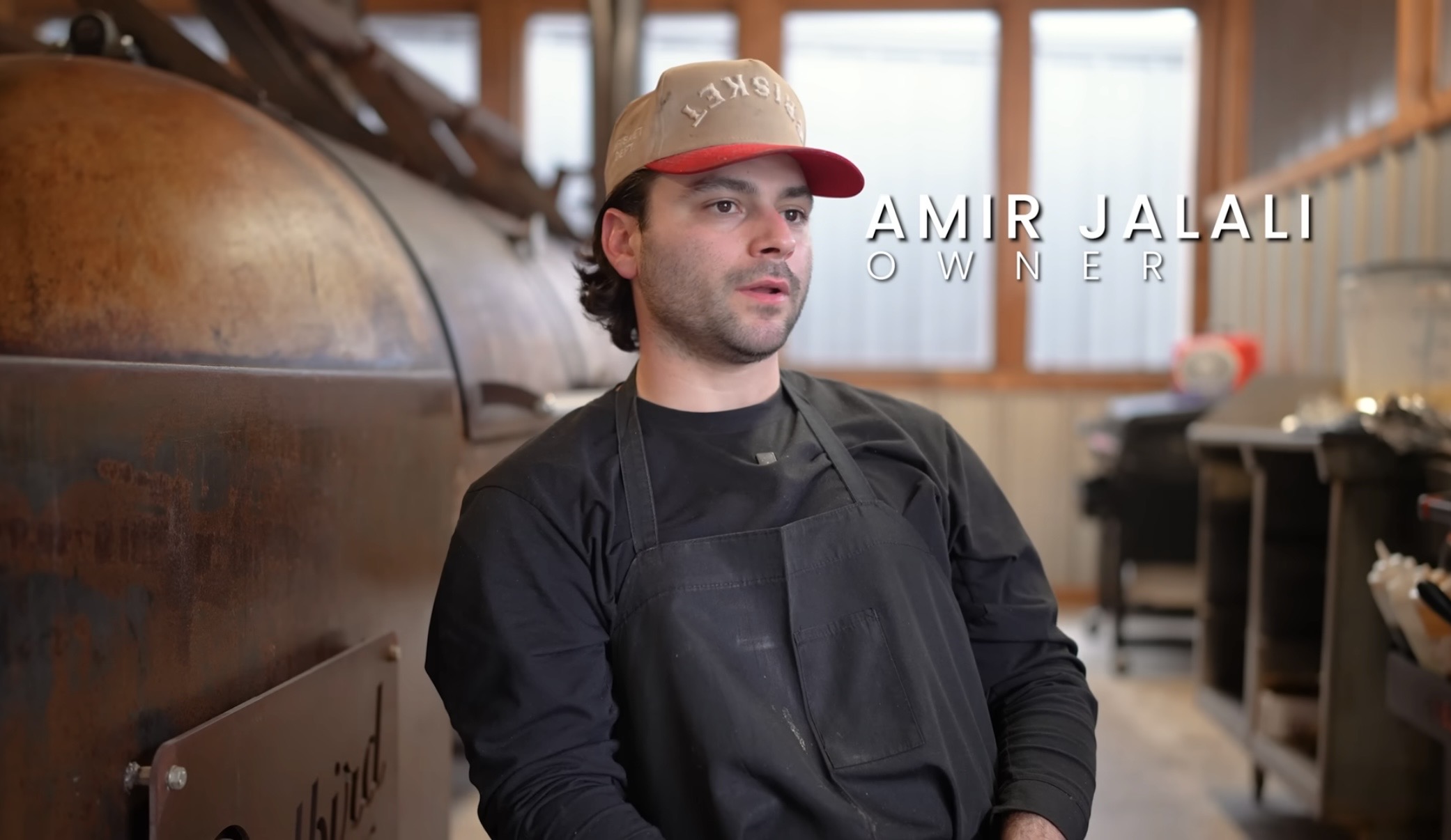
Amir Jalali at Redbird BBQ, Port Neches. Still from Ant's BBQ documentary.
A few weeks ago I came across a short documentary about Redbird BBQ in Port Neches, Texas. Owner and pitmaster is Amir Jalali. He quit his job, went to Goldee's to learn the trade, then built his own place and opened in 2023.
What you see on the video is the thing itself. Pre-dawn starts. Fires lit before the rest of the town is awake. Hours of trimming. Stacking wood. Wiping down. Doing the same thing again the next day, and the day after, because that is the only way the food comes out right. They are tired in the way people are tired when they have chosen the work. They smile through it. No whining. No complaining. Amir is at the front of it and everyone is pulling in the same direction. The customer is the point, and the food has to be right because the food is the argument.
That is the country I went there for in 1997. The one where someone quits the job he is good at to learn a new trade from scratch. The one where the immigrant family's recipe is the asset, not the obstacle. It did not stop being there. I just stopped seeing it for a while.
What I am left with
I have not resolved the contradiction. I do not think I am supposed to.
You can admire a country and refuse what it is doing in the same hand. You can love a place and be honest about what is happening to it. Most of the America I know is not in Washington. The colleagues I worked with for twenty-five years, the families running their own places, the strangers who held the door, none of them are in the room where this is being decided. They never were.
The room itself keeps getting louder. This week the Justice Department announced a $1.776 billion fund to compensate the president's allies out of the Treasury, January 6 defendants included. The Iran war was started without Congress and declared over when the legal deadline came. The military gets deployed at the same pace, with new threats and new theatres. And this is only the latest. A tsunami of shock and outrage that arrives faster than anyone can absorb it, drowning the news cycle, exhausting the opposition, and keeping the rest of us busy reacting to the surface while the real work of dismantling the state happens underneath.
The distance between the country I keep meeting and the country being run from the West Wing has always been there. Right now it is being pushed further than I have seen in my lifetime, and I am no longer sure how long the distinction holds.
The whole story still includes Redbird BBQ. It still includes my colleagues of twenty-five years who are showing up and doing the work. It still includes whatever country my sons will encounter when they start going on their own.
I want to believe that part will be enough. Some weeks it is harder than others.
Workshop
On the bench right now.
Three projects, three different problems, three different stages. What sits here changes. What stays the same is that the work is happening because the only way to think it through properly was to build it.
01
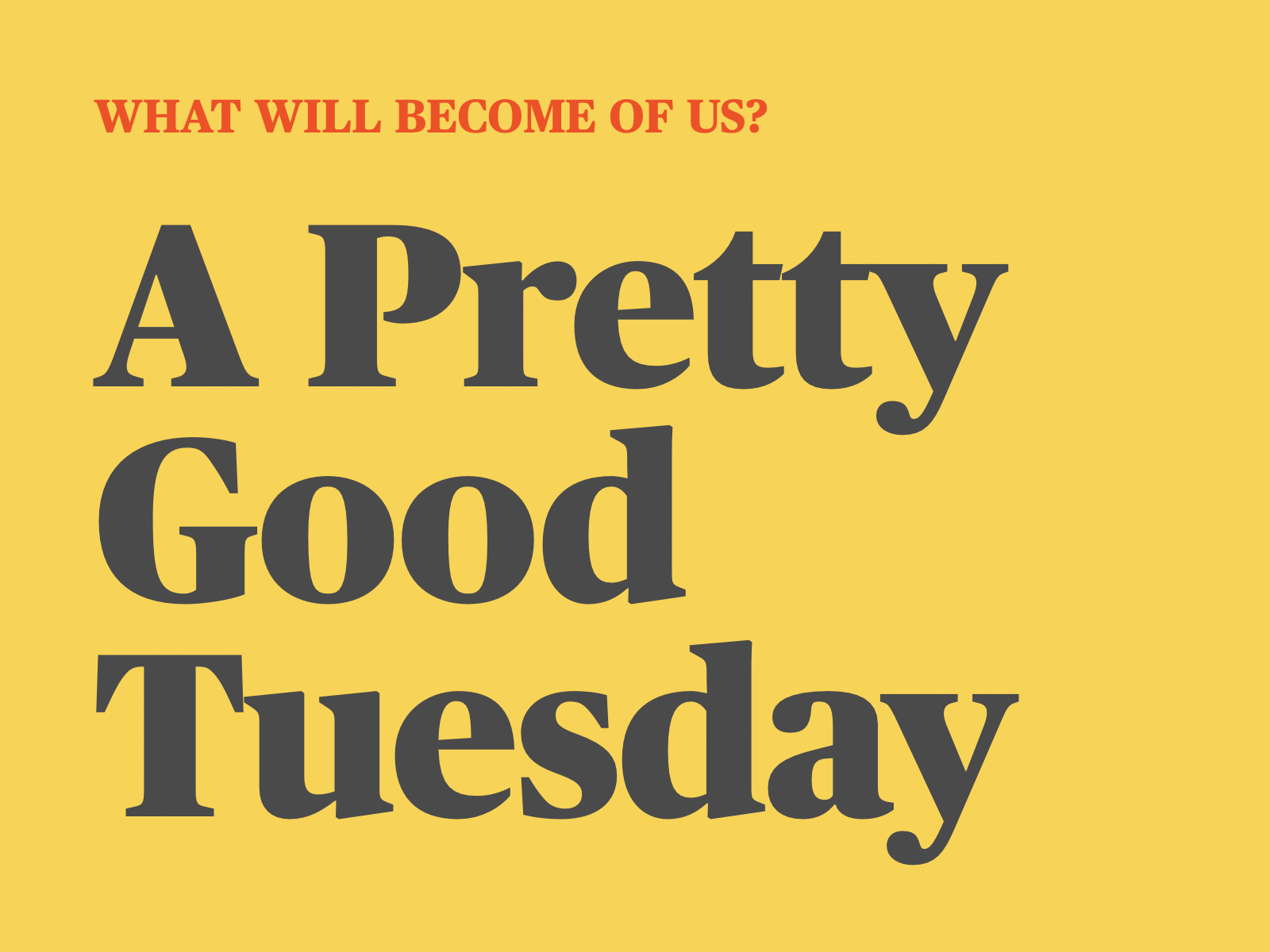
A Pretty Good Tuesday
A project on AI, robotics and what happens to us when very soon labour stops being scarce and machines do most of the work. Three civilisational trajectories, held in honest tension. Currently a long essay in draft. Might become a book. Might become an art object.
The research is most of the work.
02
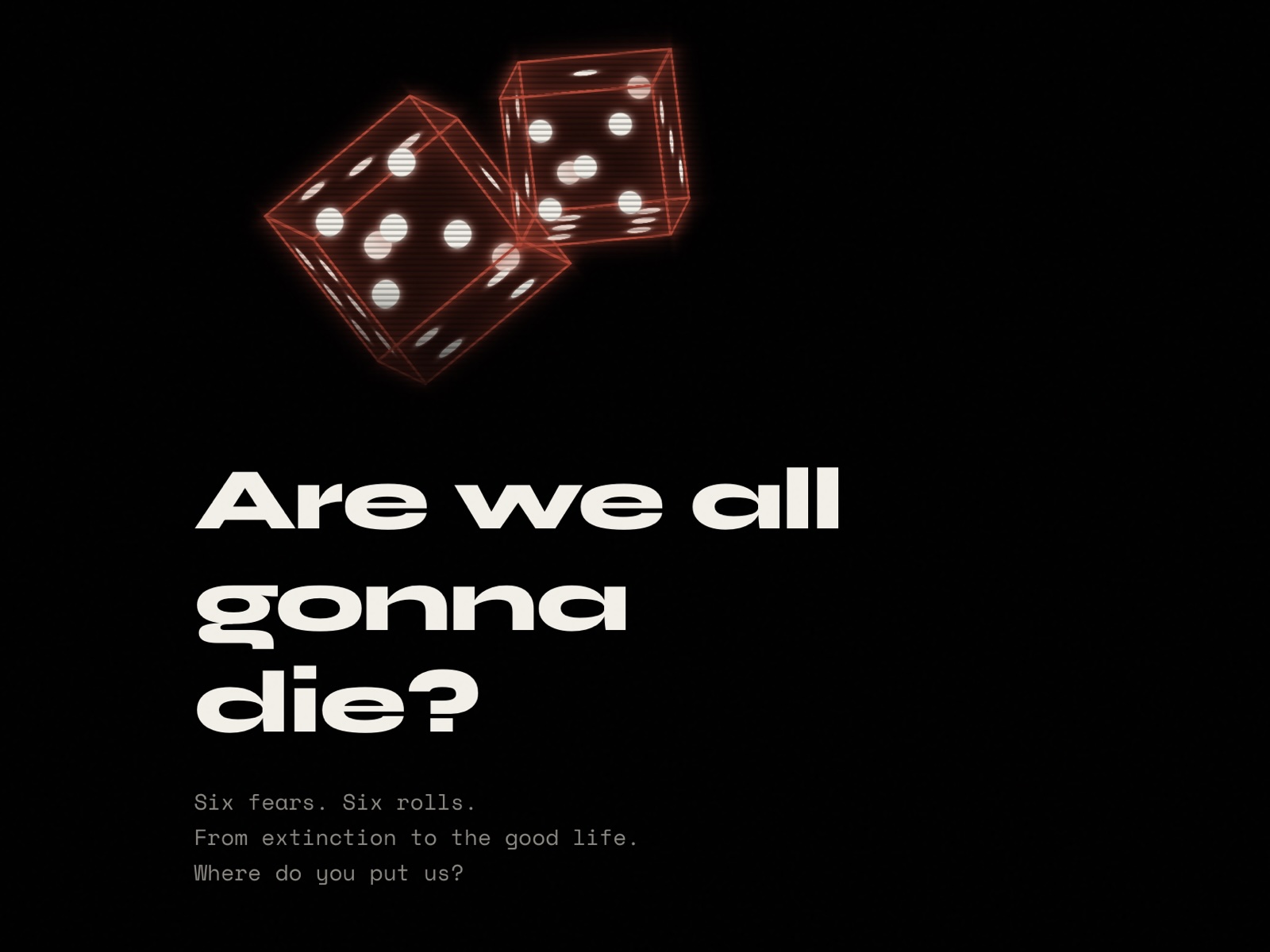
Are We All Gonna Die
Six fears. The Machine, Planet, War, Pandemic, Collapse, Brainrot. The researchers who study extinction risk professionally disagree on timing, not on whether. You read into one, set your number, share your verdict, start the conversation with someone you actually know.
Co-created with Claude. Partly the question itself, partly a test of how far you can push an AI as a creative collaborator.
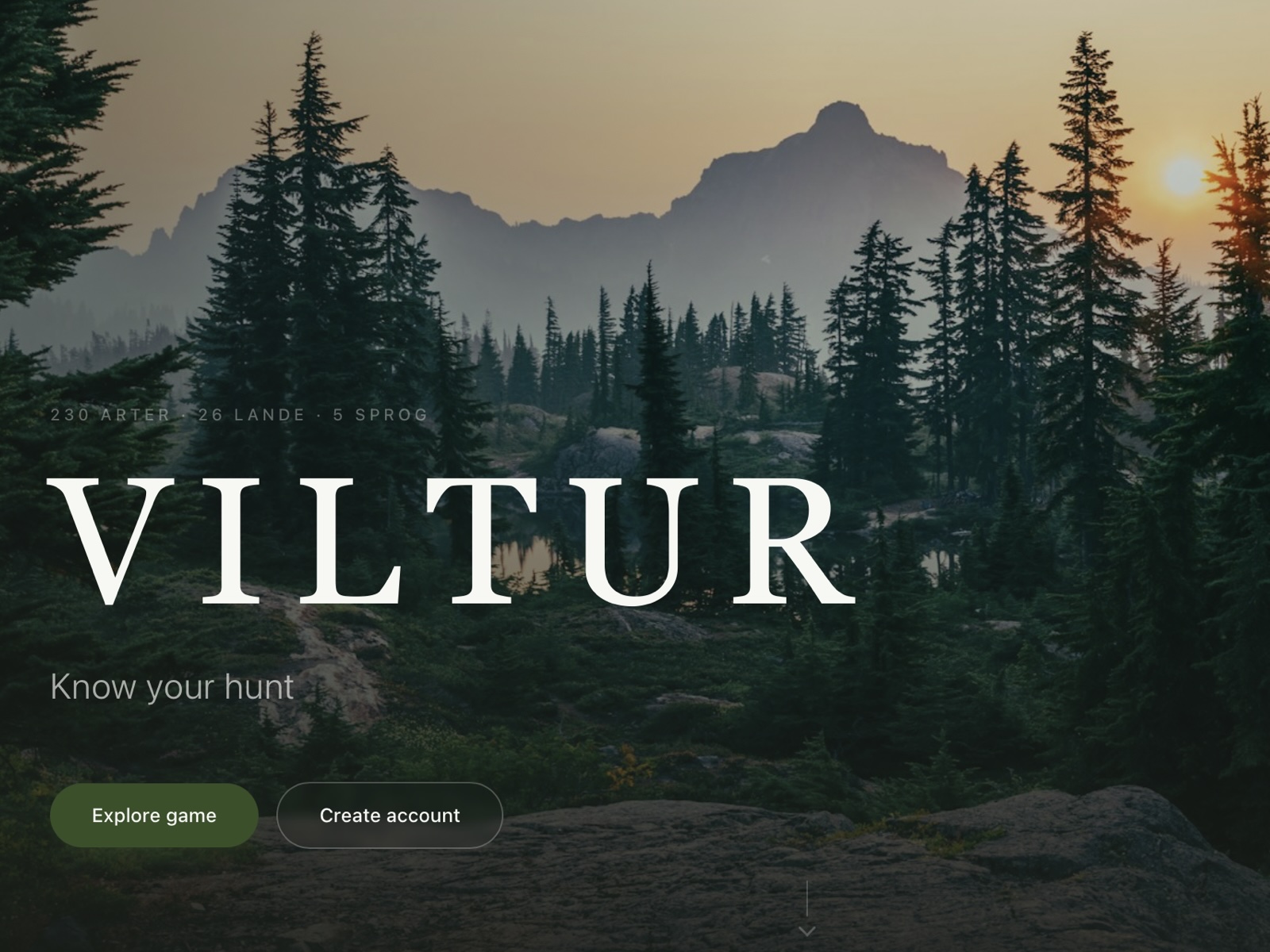
A hunting and wildlife database started with my father. Made for hunters who move across borders and want their data organised and easy to reach. Currently 230 species, 26 countries, 5 languages, regions and seasons, biology and legal status, what is around you right now.
Under active development. Currently in a full review pass to make sure every fact holds.
The studio behind the bench. A holding structure for the work that doesn't fit anywhere else. Built to give the side projects a proper home, a shared identity, and room to grow into whatever they turn out to be.
If something here connects to what you know or what you make, get in touch. Creative, technical, on the ground, in the field. The work gets better when more people push on it.
Life
By the way
My only regrets are that I never tried for Jægerkorpset or went off on an artistic tangent. Instead I stayed a geek and embraced it fully.
I cook seriously. I play golf badly and don't mind. I do yoga and walk a lot. I read a lot, watch films, and when I want to be completely alone with a world, I game. All of it tends to pull me into obscure niche areas most people walk straight past.
My wife is good at taking me to places I wouldn't find myself: exhibitions, bars, pueblos and corners of Madrid I'd walk straight past.
My boys are becoming the people they're meant to be. Great girlfriends, their own lives taking shape. Watching that happen is something else entirely. My Danish and Spanish families are warm, close and always there. That's not nothing. That's everything.
Talk
Get in touch
Right now, one thing has my full attention: Naia. Beyond that, I serve on the board of Zebicon. That's it for fixed engagements.
What I am always open to is a conversation. If you're wrestling with something at the intersection of creativity, commercial reality and technology, a strategic question, a product challenge, an organisational problem you can't quite name, I'm happy to think about it with you.